Chasing Gold and Glass along Belfast’s River Lagan and the Maritime Mile
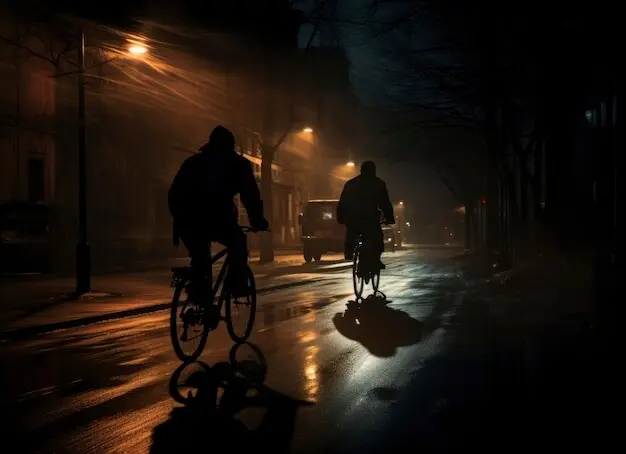
Step into an evening journey dedicated to photographing sunset along Belfast’s River Lagan and the Maritime Mile, where tidal reflections, historic shipyards, and modern footbridges collaborate with the sky. Expect practical timing tips, evocative vantage points, and creative guidance that turns changing light into memorable, story-rich images you will be proud to share.

When the Sky Performs: Timing Belfast’s Evening Light

{{SECTION_SUBTITLE}}
Golden and Blue Hour Windows
Check reliable apps for civil, nautical, and astronomical twilight, then subtract setup time so your tripod is settled before color ignites. Golden hour flatters brick, steel, and water, while blue hour blends cobalt skies with sodium lamps, ferry lights, and affectionate reflections that breathe narrative into the river’s gentle surface beneath quieting gulls and distant conversations.

Sun Path and Orientation

Think like a navigator. In summer, align west-facing views across the Lagan from Titanic Quarter toward City Hall’s direction, catching silhouettes of walkers on bridges. In winter, pivot slightly south, using leading rails and quayside bollards to frame the lowering sun. Scout midday to anticipate how cranes, masts, and rooftops will intersect the disk or the radiant afterglow.

Vantage Points That Sing across Water and Steel

Belfast’s waterfront rewards curious feet. The Lagan Weir Footbridge offers sweeping curves and mirror-still pools near high tide. The Titanic Slipways reveal westward views toward the city’s skyline, while SS Nomadic and Hamilton Dock add maritime character. From the Big Fish toward Queen’s Bridge, long exposures weave river calm with traffic ribbons, telling intimate, urban stories with shimmering confidence.

Practical Kit and Camera Craft by the Quays

Even the most inspiring light falters without steady technique. A solid tripod, remote release, and weather-ready footwear elevate confidence along damp quays. Begin near ISO 100, choose f/8 to f/11 for crisp depth, and bracket exposures to preserve glowing clouds and bright signage. Gentle polarizer use, thoughtful ND filters, and careful focus stacking protect detail and nuance gracefully.

Compose with Curves, Cranes, and Reflections
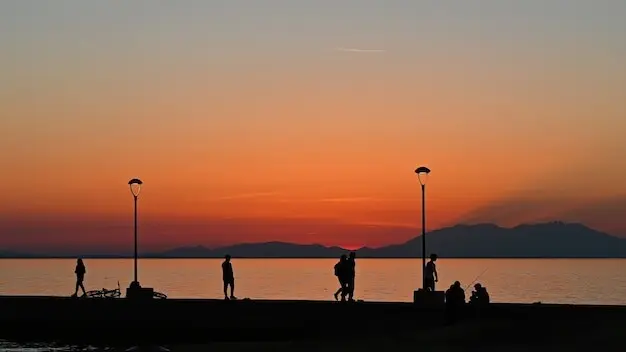
Let structure guide storytelling. Bridge rails carve leading lines, bollards anchor foregrounds, and ripples stitch sky to city. Play with symmetry on footbridges, then break it with a passerby’s stride. Contrast glassy water against rugged shipyard remnants, balancing iconic forms with tender color. Embrace negative space, crafting breathing room where Belfast’s working waterfront and sunset grace meet silently.

Weather, Tides, and Safety on Working Water

Clouds write your palette, tides your mirror. Forecasts with broken cloud often deliver riveting drama, while light offshore winds calm the Lagan near high tide for watercolor reflections. Wear non-slip soles, avoid algae-dark edges, and respect barriers. Smile at security staff, greet anglers, and move lightly around mooring lines. Prepared kindness keeps the evening untroubled and beautifully focused.

Reading Clouds for Drama

Aim for forty to seventy percent cloud, especially mid- and high-level layers that catch color after sunset. Watch wind direction: westerlies can sweep gaps at the horizon. If showers lurk, bring a microfiber cloth and lens hood, then embrace rain-glossed pavements that return neon whispers, turning ordinary railings, bollards, and benches into muted, cinematic companions for your frame.

Tide Tables and Mirror Moods

Check Lagan Weir operations and tide charts; higher water often gifts steadier reflections and fewer muddy distractions. At lower tides, foreground textures emerge, letting footprints, stones, and seaweed punctuate your story. Compose safely from firm ground, never stepping onto slippery banks. Note that slight breezes break reflections, so seek leeward corners by walls and docks for protected glass.

Comfort, Courtesy, and Care

Pack light layers, fingerless gloves, and a small towel for mist. Keep bags zipped and tripods close to avoid tripping passersby. Offer space to runners and cyclists, thanking them with a nod. If asked about your setup, share a smile and a tip; generosity fosters community and often gifts you a better anecdote or serendipitous portrait opportunity.

Color and Mood in Post
Begin with a daylight or slightly warm white balance, then finesse HSL to protect skin tones in silhouettes and amber lamps. Subtle split toning deepens magentas in clouds while cooling blues in water. A restrained dehaze kiss clarifies distant cranes. Dodge gently along rails to guide the eye, then let vignettes whisper rather than shout, preserving nocturne delicacy.

Detail, Noise, and Dynamic Range

Blend two or three bracketed frames to hold highlight shape and quay detail, avoiding surreal extremes. Tame luminance noise in shadows, sparing fine edges on masts and cables. Apply clarity locally to textured stone, not to skies. Heal stray flares, and crop with intent, honoring line flow. Sharpen last, sized for destination, so lights sparkle without harsh halos.
Laxikarodavo
Privacy Overview

This website uses cookies so that we can provide you with the best user experience possible. Cookie information is stored in your browser and performs functions such as recognising you when you return to our website and helping our team to understand which sections of the website you find most interesting and useful.